Final Draft-Written Proposal: Flood Mitigation Strategy
Group 7: Leniel Mejia, Lu ka Abutidze, Mohammed Draoui, and Peter Ines
The City College of New York
Writing for Engineering: ENG 21007
Professor Sonja Whipp
November 25th, 2025
Abstract
Flooding poses an increasingly severe threat to communities due to climate change and urbanization, highlighting the need for accessible residential flood-protection systems. The project presents the Smart Flood Barrier (SFB), an automated, sensor-activated system designed
to seal and protect home entrances during flood events. Using SolidWorks for mechanical
design and AutoCAD for electrical layout, the barrier was constructed in collaboration with
Kickrdesign and integrated with Eaton PLC for automated control. Two Karman sensors detect
rising water and trigger the barrier’s deployment without human intervention. Testing with high-volume water flow demonstrated fast activation, reliable sealing, and sustained durability under varying pressure. The SFB offers a low-maintenance, cost-effective, and scalable solution that enhances household resilience, supports community flood mitigation efforts, and reduces
potential economic losses.
Literature Review
Flooding is among the most frequent and damaging natural disasters worldwide,
disrupting livelihoods, infrastructure, and ecosystems. The growing intensity of floods due to
urbanization and climate change highlights the urgent need for effective mitigation strategies
(Wang et al., 2022). Traditional approaches centered on structural measures such as levees and
dams are increasingly being replaced by comprehensive systems that integrate engineering,
environmental management, and social engagement. Recent research demonstrates that a
combination of structural, technological, and behavioral approaches offers the most sustainable
protection against flood risks.
Wang et al. (2022) review the evolution of flood management from control-focused
engineering to broader flood risk and resilience frameworks. They emphasize that effective
mitigation requires planning, policy coordination, and community participation in addition to
physical infrastructure. This shift toward risk-based management marks a key transition in
modern flood governance—one that focuses on long-term adaptation rather than short-term
defense.
Supporting this integrated view, Genovese and Thaler (2020) argue that mitigation
measures are most effective when engineering solutions are combined with community and
policy-based initiatives. Their comparative analysis of flood protection methods shows that
hybrid strategies, blending physical and social dimensions, yield better long-term outcomes and
reduce overall costs. Similarly, Colls, Ash, and Ikkala (2022) advocate for the inclusion of
nature-based solutions such as wetland restoration and green infrastructure, which
simultaneously mitigate floods and enhance ecological resilience. This approach also
reduces reliance on expensive gray infrastructure and offers co-benefits for biodiversity and
urban cooling.
Technological innovation has also become central to modern flood mitigation.
Martoredjo (2023) demonstrates how remote sensing and coastal vulnerability modeling can
identify at-risk zones with high precision, enabling governments to target resources more
effectively. By integrating satellite data and geographic information systems (GIS), decision makers can anticipate flood impacts and optimize preventive infrastructure. Complementing
this, Eijgenraam et al. (2017) develop mathematical models to determine cost-effective dike
designs in the Netherlands, showing how quantitative analysis can guide structural investments
that maximizes protection while minimizing financial waste.
However, successful mitigation depends not only on infrastructure or technology but
also on public behavior. Botzen et al. (2019) study homeowner responses to flood risk in New
York City and find that individuals are often reluctant to adopt protective measures until they
experience flooding firsthand. Their findings underscore the importance of awareness
campaigns, incentives, and behavioral interventions in achieving community-level resilience.
Collectively, these studies suggest that flood mitigation is most successful when it
merges engineering precision, technological advancement, and human-centered planning.
Structural systems remain essential, but their effectiveness depends on public cooperation,
ecological integration, and accurate data analysis. As flood risks escalate under changing
climatic conditions, governments must adopt adaptive, hybrid strategies that balance immediate
protection with long-term resilience.
Methods
In an effort to reduce the impact of flood disasters on human lives and property, my group decided to create a Smart Flood Barrier, an automatic system that is activated and deployed to block and direct floodwater without human intervention. We will use SolidWorks for mechanical design and AutoCAD for electrical element design. Also, we will collaborate with Kickrdesign to manufacture the SFB’s parts, and a company called Eaton will build the PLC (Programmable Logic Controller) we need for the system.
The components of the SFB system: the barrier, two side guides, two Karman sensors, two lintels, and PLC. (see Figure 1a and 1b)
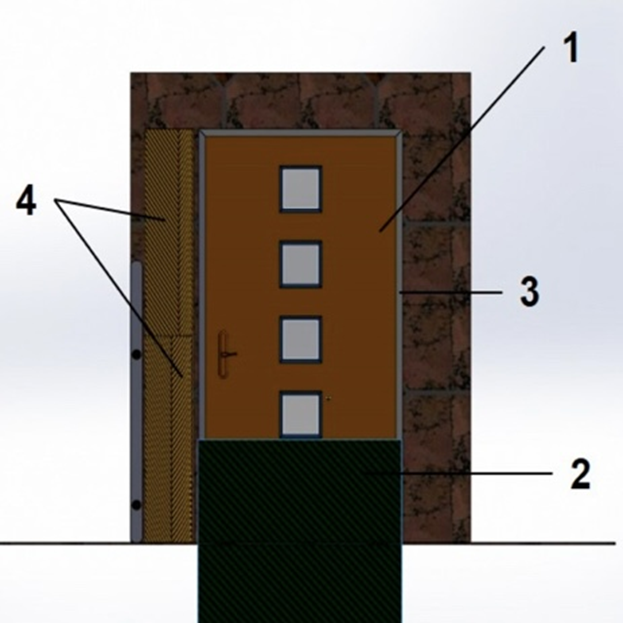
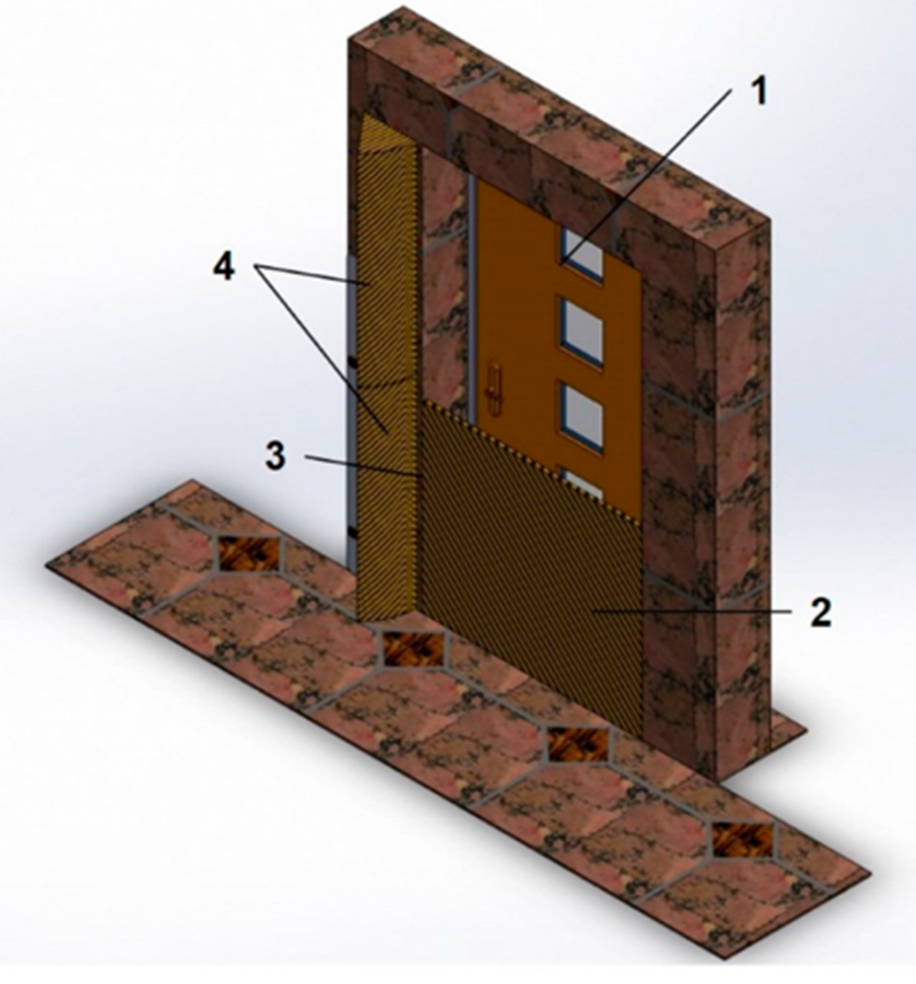
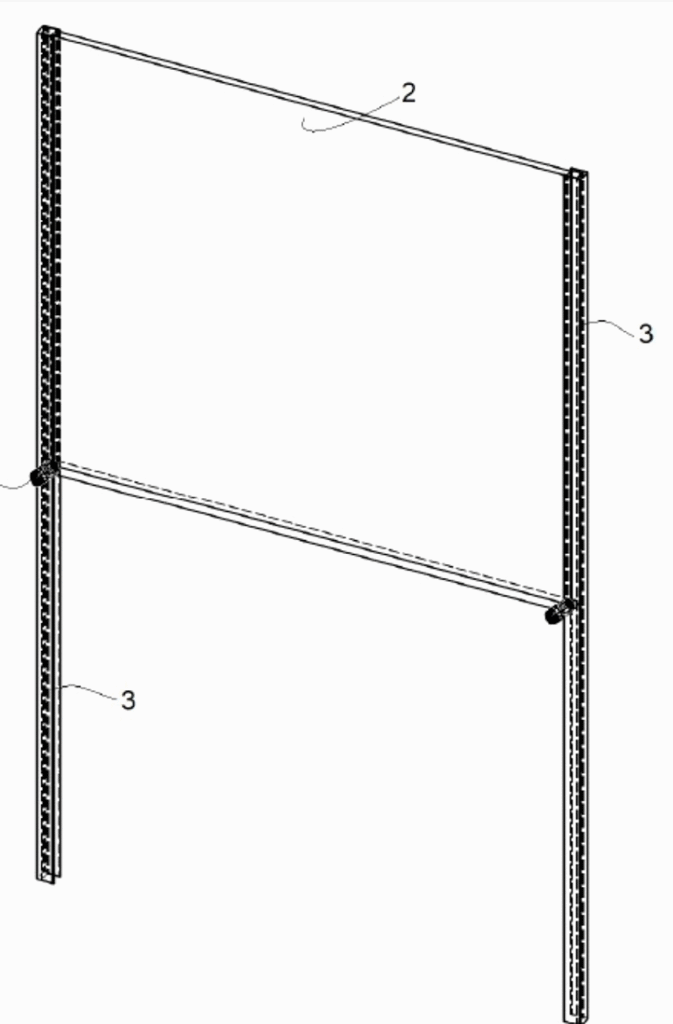
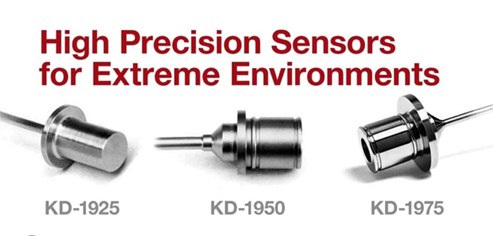

The SFB will have two sensors– sensor 1 is placed at the bottom of the door 1 centimeter above the ground, and sensor 2 is placed 80 centimeters above the ground (see Figure 2). The system is controlled by the PLC that manages the signals coming from the Karman sensors connected to the digital input terminals (see Figure 3). This indicates to the PLC to start the ascent of the containment barrier located in front of the door, until it reaches the predetermined height. The Karman sensors are only activated if they detect fluid circulation. This type of sensor is practically maintenance-free and highly accurate.
The SFB is responsible for hermetically sealing the door, preventing the passage of water into a house. The barrier is complemented with two hinged lintels placed on the side from which the water flows to divert water toward the center of the street and generate a dry area near the entrance door.
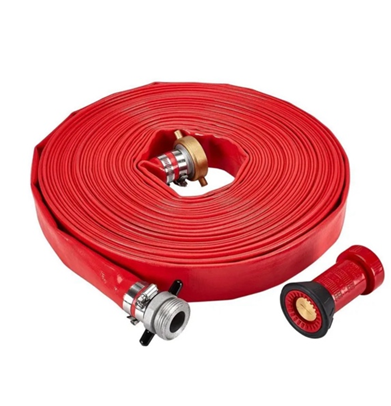
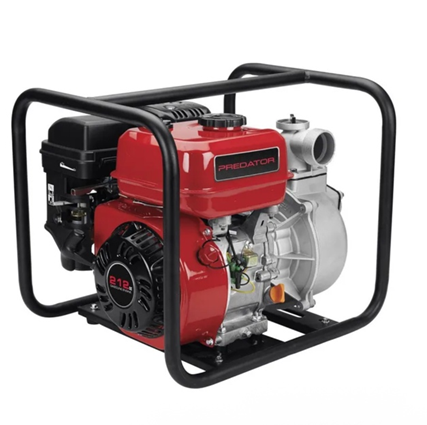
Testing components: High-volume hose and a gas engine pump. (see Figure 3 and 4)
After we received all the parts from Kickrdesign and Eaton, we installed the SFB system
in front of the entrance door for testing. A pump and high-volume hose were used to control the water source and simulate heavy rainfall. The activation of the SFB took 10 seconds. Then, we changed the pressure to check the durability of the system and also changed the water level to see if the door was perfectly sealed. All four tests were successful, and no leak was detected during the testing process. (See table 1)
Table 1: Hose Test Results
| Test | Pressure | Water Level | Leak |
| Test 1 | 45 psi | 10 cm | No leak was detected |
| Test 2 | 55 psi | 25 cm | No leak was detected |
| Test 3 | 65 psi | 50 cm | No leak was detected |
| Test 4 | 75 psi | 80 cm | No leak was detected |
Anticipated Results
The successful completion of this project is expected to deliver a fully validated Smart Flood Barrier system, setting a new standard for automated, zero-intervention Flood defense. Our primary technical result is the creation of a reliable and hermetically sealed barrier capable of successfully mitigating floodwaters up to 80 cm in height and resisting pressure up to 75 psi without any detectable leakage. This validation confirms the precision of the Karman sensor array and the robust control logic of the Eaton PLC, ensuring the barrier consistently activates and reaches full deployment in under 10 seconds.
The specific tangible benefits extend beyond the structure. By enabling homeowners to safely remain in place, the SFB drastically reduces the need for evacuation, thereby preserving property and emotional security. This successful protection indirectly conserves public resources and increases the available capacity of emergency shelters for those without permanent protection. The successful diversion of water achieved by the hinged lintels will also create essential dry zones near entry points, further minimizing property damage and supporting quicker post-flood recovery. Ultimately, this research is anticipated to provide the foundational data necessary to advocate for the SFB’s commercial scalability and adoption as a vital element in community resilience planning. This relationship between automatic protection and community capacity is further illustrated by the SFB Social Impact Diagram below, contrasting the burden on public resources in a standard flood event versus the anticipated result of widespread SFB deployment in cities like Houston, Utah and Los Angeles, providing free space for people who need it.
Table 2: SFB Impact on U.S. City Refugees during deluge before and after SFB introduction.
| CITY | REFUGEES BEFORE SFB | REFUGEES AFTER SFB |
| Houston | 161,034 | 80,509 |
| Salt Lake City | 154,074 | 75,098 |
| Los Angeles | 200,490 | 128,890 |
Broader Impact
Over the past decades, we have seen increases in atmospheric moisture, intensified rainfall and flooding, and a significant rise in sea levels. Flooding is one of the most destructive and increasingly frequent natural hazards worldwide, placing communities, infrastructure, and local economies at growing risk. The Smart Flood Barrier developed in this project contributes
directly to public safety by offering an automatic and reliable residential-level flood protection
system (Muñoz-Caballero et al., 2022). SFB’s easy installation and automatic activation support
rapid response during flash-flood events, where timely intervention can often be the difference
between minor damage and catastrophic loss.
A closer look at the project shows its contribution to broaden societal resilience by
increasing the capacity of a community to adapt to flash floods. The flexibility and simplicity of
the design make it an effective engineering solution that homeowners can incorporate into their
homes, yielding better long-term outcomes at minimal cost (Genovese & Thaler, 2020). The
reduced strain on community gray infrastructure can also generate ecological benefits through enhanced biodiversity and mitigation of urban heat, improving local microclimate conditions
(Colls et al., 2022). The passive and smart deployability of these flood barriers minimizes
maintenance needs, strengthens household-level infrastructure resilience, and serves as a
practical long-term structural investment.
The project also has the potential to broaden economic and environmental benefits by
reducing damage to homes, businesses, and utilities during flood events. The SFB can reduce
repair and labor costs, insurance claims, and overall disaster-related expenses. Additionally,
sharing and demonstrating this project can help increase public awareness of flood risks; as
research has shown that individuals are more likely to adopt protective measures when they
understand those risks clearly (Botzen et al., 2019).
References
Barrier, A.-F. (n.d.). Anti flood barriers, anti-flood bulkheads, anti-flood system. Anti. https://www.anti-flood-barriers.com/
Botzen, W. J. W., Kunreuther, H., Czajkowski, J., & de Moel, H. (2019). Adoption of individual
flood damage mitigation measures in New York City. Sustainability, 11(14),
3936. https://pmc.ncbi.nlm.nih.gov/articles/PMC6850606/
Break, F. (2025, September 11). Floodbreak. FloodBreak Automatic Flood Barriers. https://floodbreak.com/
Design for manufacturing. Kickr Design. (2024, December 10). https://www.kickrdesign.com/services/manufacturing/?utm_source=google&utm_medium=cpc&utm_campaign=manufacturing_services&keyword=design+for+manufacturing&adgroup=ManufacturingServices-Phrase&gad_source=1&gad_campaignid=21382172355&gbraid=0AAAAADhBCGXVdQiMvddjwNriZNrQwoDiA&gclid=Cj0KCQiAiKzIBhCOARIsAKpKLAO89jNPkFCZuX2vwYLo4L_JMBgBUXgxW6uQXDxKO4N8o0fuHq09Zj0aAoO5EALw_wcB
Eijgenraam, C., Brekelmans, R., den Hertog, D., & Roos, K. (2017). Optimal strategies for flood prevention. Management Science, 63(5), 1644–1656. https://doi.org/10.1287/mnsc.2015.2395
Colls, A., Ash, N., & Ikkala, N. (2022). A new framework for flood adaptation. Ecology and
Society, 27(4), 5. https://ecologyandsociety.org/vol27/iss4/art5/
Control, F. (2025, May 7). Reliable flood prevention services. Flood Control International. https://floodcontrolinternational.com/
Genovese, E., & Thaler, T. (2020). The benefits of flood mitigation strategies: Effectiveness of
integrated protection measures. AIMS Geosciences, 6(2),
177–192. https://www.aimspress.com/article/10.3934/geosci.2020025
Harbor freight | whatever you do, do it for less. (n.d.). https://www.harborfreight.com/
Muñoz-Caballero, J., Vergara, D., Fernández-Arias, P., & Antón-Sancho, Á. (2022). Design of a Smart Barrier to Internal Flooding. Inventions, 7(4), 88. https://doi.org/10.3390/inventions7040088
Technology, L. (n.d.). LCF technologies- Liquid Containment Systems. https://www.lcftech.es/en/
Volume 7—logic control, operator interface and Connectivity Solutions. (n.d.). https://www.eaton.com/content/dam/eaton/products/industrialcontrols-drives-automation-sensors/plcs-plc-products-and-io-software-ca08100008e.pdf
Wang, L., Cui, S., Li, Y., Huang, H., Manan Dhar, B., Nitivattananon, V., Fang, X., & Huang, W.(2022, November 25). A review of the flood management: From Flood Control to Flood Resilience. https://pmc.ncbi.nlm.nih.gov/articles/PMC9713350/

